About Tali
Humanitarian Educator. Resilience Coach. Lifelong Student of Human Strength
For more than twenty years, I have worked alongside learners, educators, communities and organizations navigating crisis, change and adversity across Africa, Latin America, Europe, the United States and the Middle East.
As an Education in Emergencies specialist, I have supported people and education systems affected by armed conflict, displacement, climate-related disasters and other humanitarian crises. Across very different cultures and contexts, one lesson has remained constant: people and communities often carry far more capacity for resilience than they realize.
Today, I bring those same lessons of adaptation, human strength and possibility into my work as a trauma-informed resilience coach.
My Story
My understanding of resilience was not learned solely through professional training or humanitarian work. It was shaped long before that.
My life has included significant personal adversity—from childhood experiences that required me to develop coping strategies at an early age, to a life-threatening tropical disease that demanded years of treatment and recovery, and, more recently, the unexpected loss of what I believed was my dream job after more than two decades in a career I loved.
Each experience brought its own uncertainty, grief, fear and profound change. They forced me to confront questions of identity, purpose, and how to move forward when the path ahead felt unclear—or sometimes impossible.
Looking back, I can now see connections that were not always visible to me.
Long before I had the language for resilience, I was learning how to navigate uncertainty and draw on inner and external resources to keep going. Later, through my humanitarian work, I found myself alongside people confronting crisis, displacement, loss, conflict and disaster. In many ways, I was supporting others to do what I had spent much of my own life learning to do: recognize what holds us up, draw on what can support us, and find a way forward through adversity.
That realization changed how I understood my own story. Resilience is not about being untouched by hardship. Nor is it simply a professional field or a set of tools. It is a lived practice—and a deeply human capacity that exists within each of us.
From systems to individual
Across my career, my role has rarely been to arrive with all the answers. Whether working with ministries of education, schools or communities facing crisis, I have helped people identify the knowledge, relationships, resources and capacities they already possess—and strengthen them to navigate uncertainty and change.
That same principle lies at the heart of my coaching. Resilience is not something we give to people. It is something we help them discover, trust and use more intentionally.
My role is to create a space for reflection, curiosity and insight where you can reconnect with your own strengths and resources—and develop ways of drawing on them not only for the challenges you face today, but for those that may come tomorrow.
Credentials & experience
My coaching is shaped by both lived experience and more than two decades of professional work supporting resilience, learning and human development across diverse cultural and crisis-affected contexts.
I hold a Master of Arts in Education from Teachers College, Columbia University, and a Bachelor of Arts in Sociology with a minor in Spanish from the University of California, San Diego (UCSD). I am a Certified Trauma-Informed Coach through Moving the Human Spirit and have completed specialized training in safeguarding and child protection with Save the Children.
My work has taken me across Sub-Saharan Africa, Latin America, Europe, the United States and the Middle East, accompanying individuals, communities and institutions through crisis, change and recovery. Having lived and worked across multiple countries and cultures, I speak six languages and currently offer coaching in English, French, Spanish and Portuguese.
Selected research & publications
Madagascar · 2008 — English in Primary School Curriculum
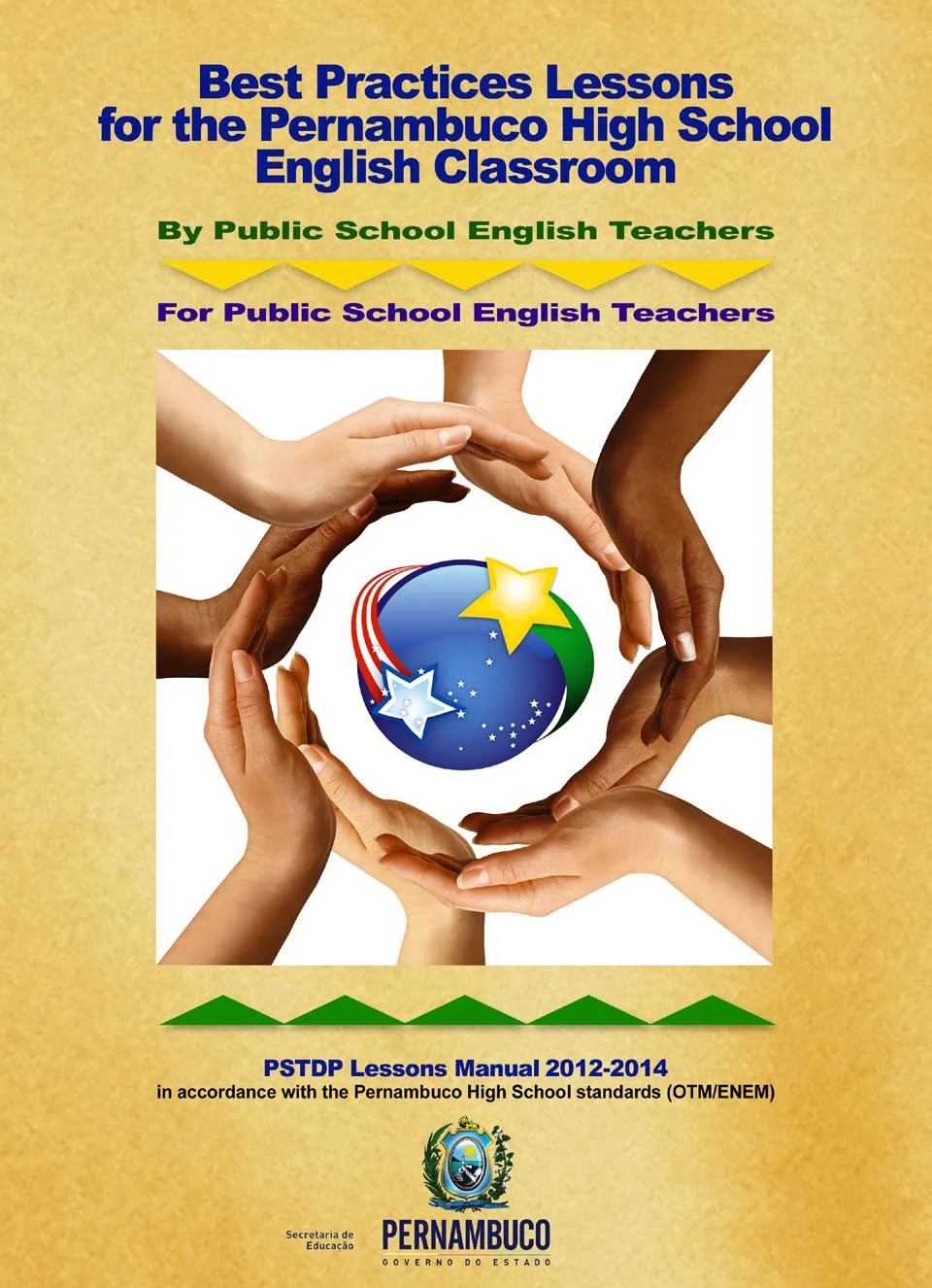
Pernambuco, Brazil · 2014 — Best Practices Lessons for the Pernambuco High School English
Regional Facility for Teachers in Africa · 2023 — Teachers in Crisis Contexts
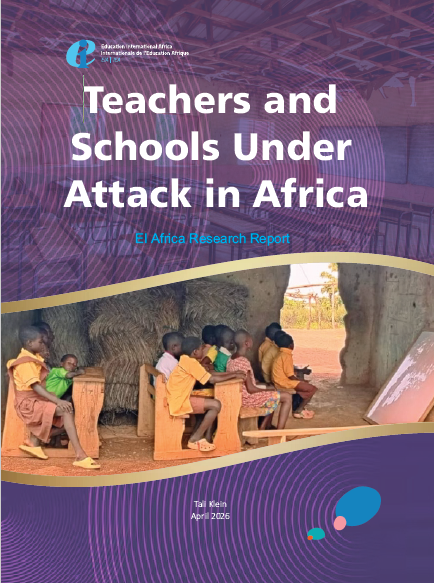
Education International Africa · 2026 — Teachers and Schools Under Attack in Africa
My coaching approach
I work with people of different ages and backgrounds who may be navigating transition, burnout, overwhelm, uncertainty, loss, relationship challenges, or significant personal or professional change.
My approach is grounded in deep listening, curiosity, compassion and respect for each person's existing strengths and capabilities. I don't see people as problems to be fixed, nor is my role to tell you what you should do.
Instead, we create a thoughtful, confidential and non-judgmental space to explore what is happening, clarify what matters most to you, and reconnect with the strengths, relationships, experiences and resources you already carry.
You set the direction and the pace. My role is to listen, ask questions, offer reflection and accompany you as you uncover possibilities and identify realistic ways forward that feel right for you.
Why Morabeza?
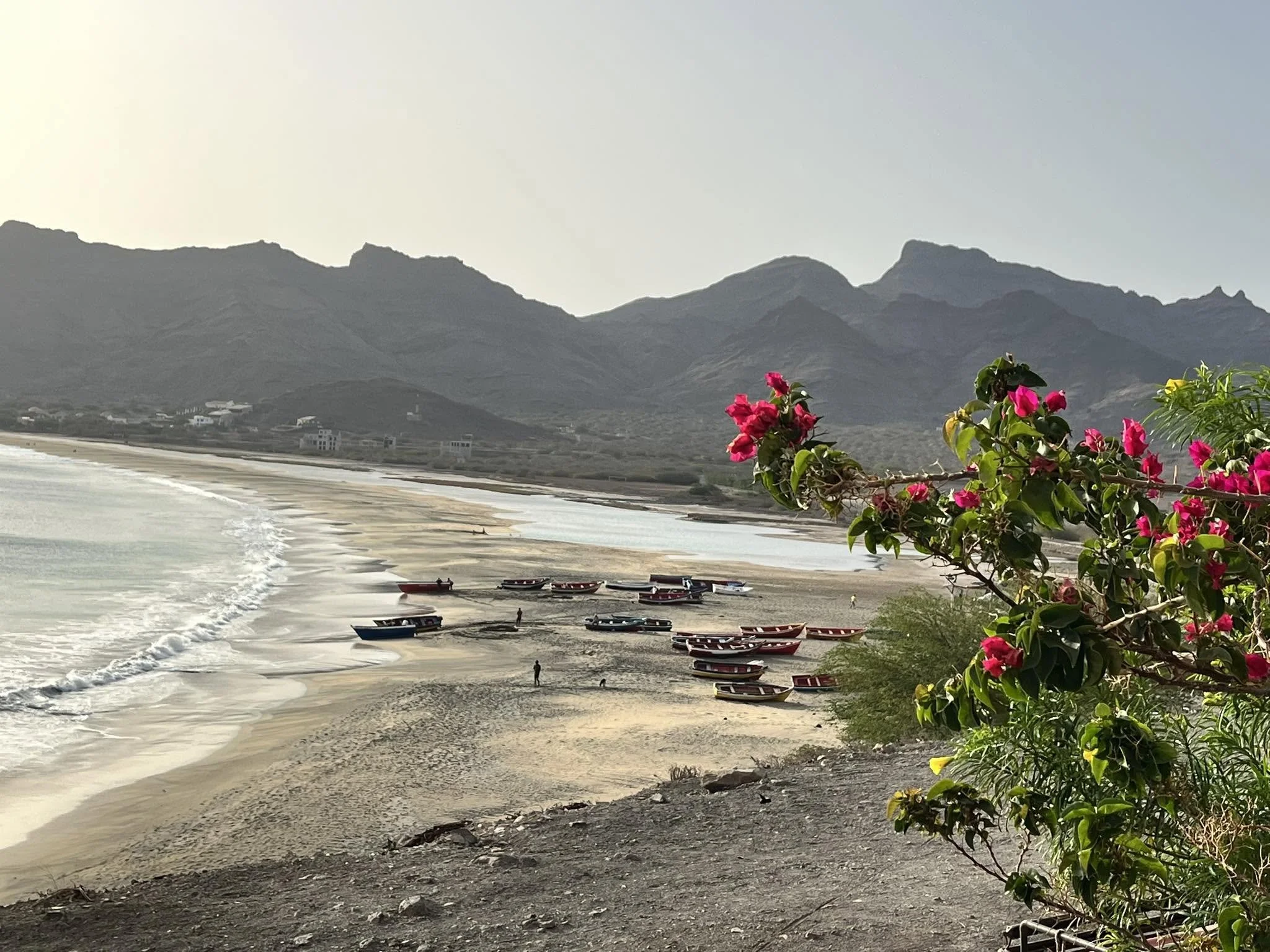
Morabeza is a Cape Verdean word that embodies warmth, connection, hospitality, and belonging.
For me, it captures the very qualities that allow resilience to flourish.
We are not meant to navigate life's challenges alone. Growth happens through connection. Healing happens through compassion. Resilience is strengthened through relationships, community, and a sense of belonging.
Morabeza Resilience was born from this belief.
It is a space where warmth meets strength, where challenge can become growth, and where individuals and organizations are supported to navigate change with greater resilience, purpose, and possibility.